If you play American mahjong, you know the Bird Bam has a way of changing the energy at the table. The minute the 1 Bam hits the discard, someone notices, drinks go up, and the whole group joins in. It is one of those traditions that feels almost universal in mahjong circles, even though it is not part of the National Mah Jongg League official rules. It survives because people love it. It is simple, funny, social, and instantly turns one tile into a shared moment.
Bird Bam Cheers is exactly that: a table ritual built around the 1 Bam tile, often called the bird. When it appears, everyone pauses for a quick toast before the game continues. No scorekeeping reason. No strategic advantage. Just a small tradition that makes the game more fun.
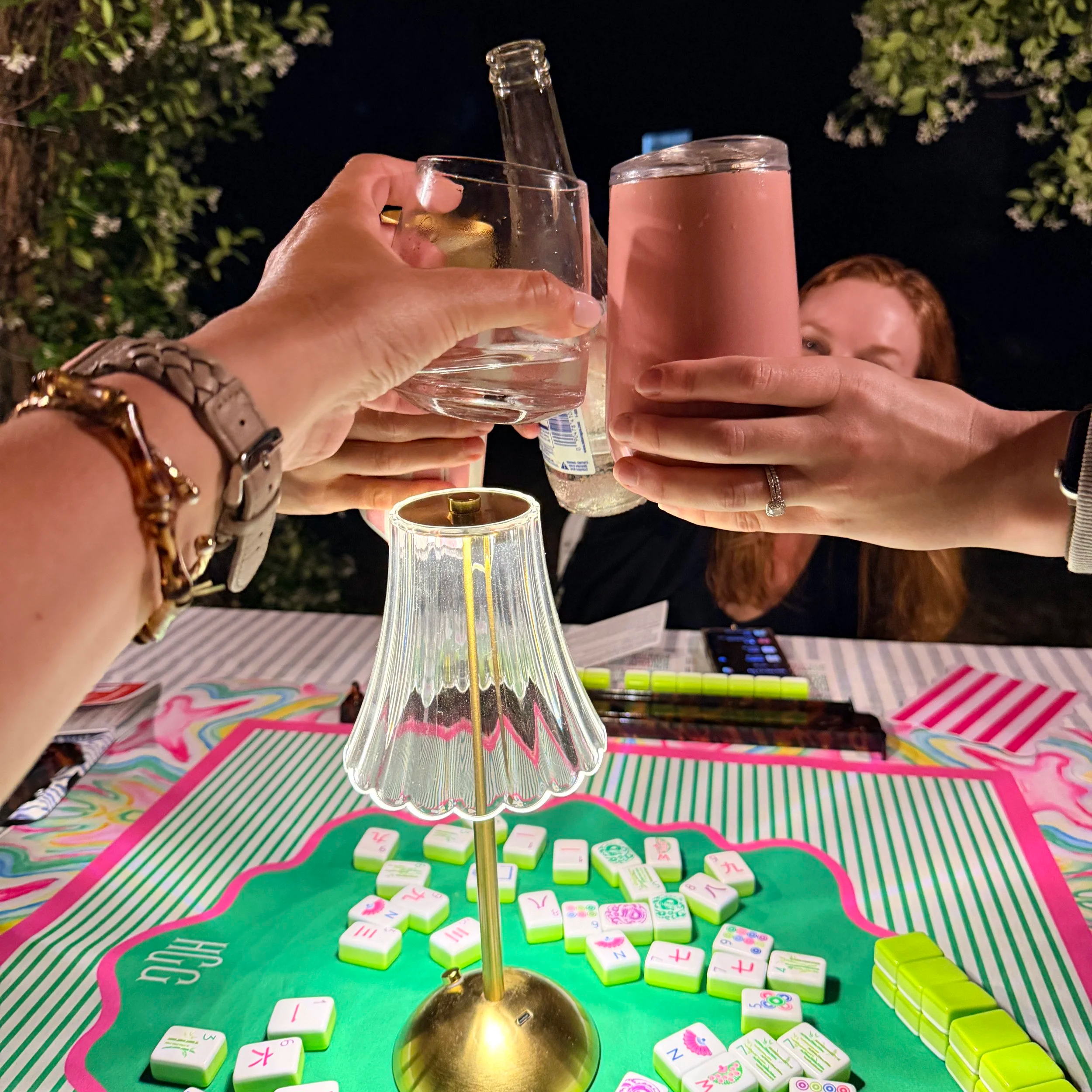
Why is the Bird Bam Cheers So Special?
Part of what makes Bird Bam Cheers so enduring is that the tile itself already feels special. In American mahjong, the 1 Bam is one of the most recognizable tiles in the set. Depending on the style of the tiles, the image may be a sparrow, a peacock, a phoenix, or another bird entirely, but players almost always know it the moment they see it.
It is a tile with personality. Even people new to the game tend to notice it right away. It stands apart visually, and over time it has come to carry a kind of built-in delight. The Bird Bam is not just another bam tile. It is the one that makes the table perk up.
The History of the Bird Bam Tile
That sense of significance goes back further than many people realize. Mahjong’s Chinese name, máquè, means “sparrow,” which helps explain why the bird became such a natural symbol within the game. Over time, the 1 Bamboo tile became closely associated with that imagery.
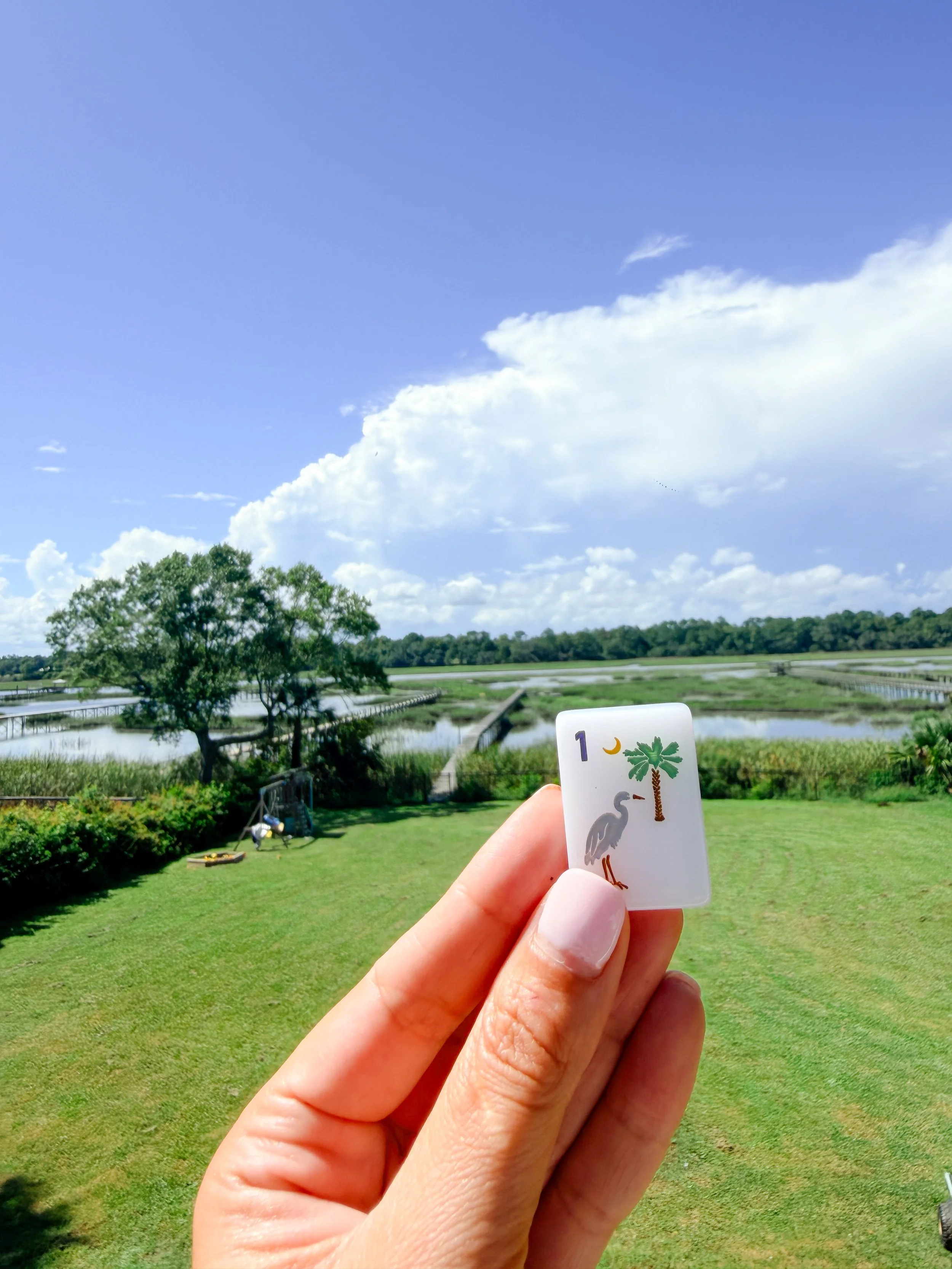
Interestingly, the 1 Bam was not always shown as a bird. In older sets, it could appear more like a single string of cash or a decorative knot. As tile design evolved, artists and makers gradually turned it into a bird, and that image became one of the most distinctive and beloved visual elements in mahjong. By the time mahjong spread widely in the West in the 1920s, the bird tile had become a classic showpiece.
So the Bird Bam carries a little extra weight: it is historical, symbolic, and instantly recognizable. It is one of the few tiles that feels almost like a mascot for the game itself.
A Tradition Passed from Table to Table
Bird Bam Cheers is not part of the official rules, which is exactly why people love it. It belongs entirely to the players. It is a casual tradition, passed from teacher to student and from table to table, the same way so much mahjong culture is shared.
Some groups keep it quick and simple. Some have a chant. Some make a big production of it every single time. However a table does it, the meaning is the same: the Bird Bam appears, everyone joins in, and for a moment the game becomes about the people around the table as much as the tiles in front of them.
That is part of what makes it such a lasting tradition. It is not formal, and it is not enforced. It continues because it creates an easy shared moment and gives everyone a reason to participate.
Why Mahjong Players Love It
American mahjong has always been about more than strategy. Of course people care about the card, the hands, and the competition, but the game also lives in everything around it: the standing game nights, the snacks, the hosting, the inside jokes, and the rituals that become part of each group’s rhythm.
Bird Bam Cheers captures that side of mahjong perfectly. It has nothing to do with winning. It does not improve your hand. It simply brings everyone together for a moment of recognition and fun. It is one of those little traditions that helps explain why people love the game so much in the first place.
For many players, it is also one of the first pieces of mahjong culture they learn. A good teacher does not just teach the card. She teaches the atmosphere of the table too. Bird Bam Cheers is part of that — one of those unwritten things that makes the game feel welcoming, social, and shared.
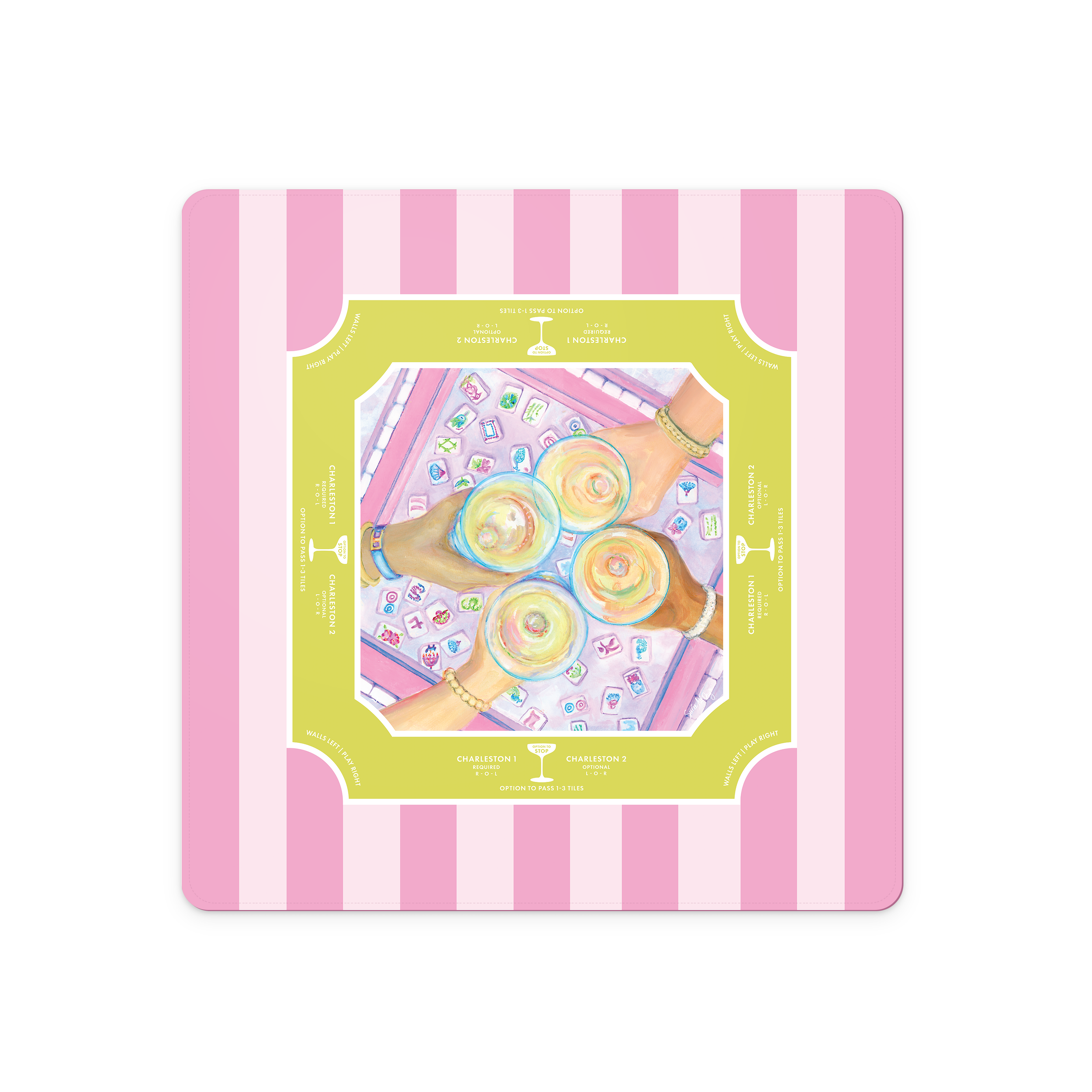
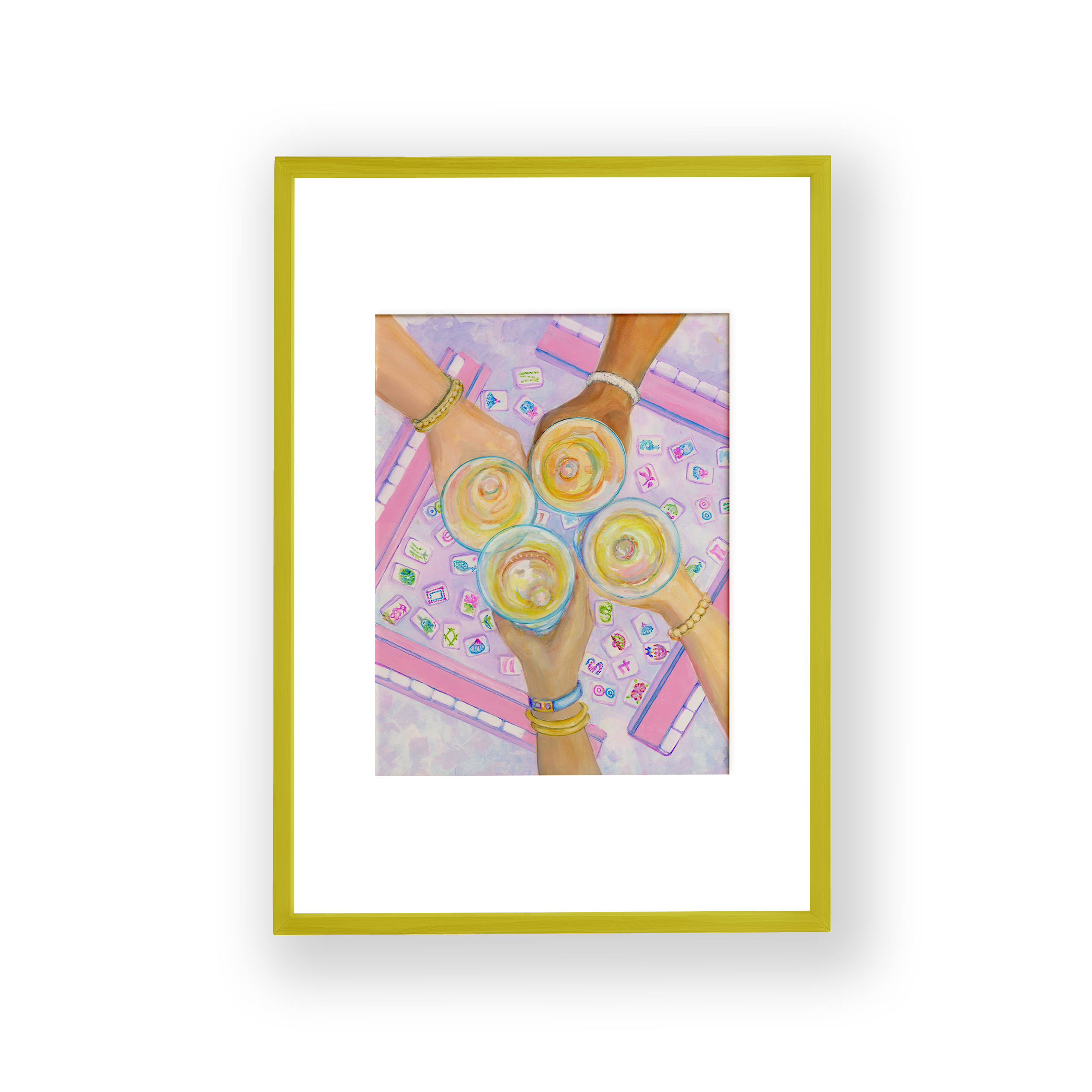
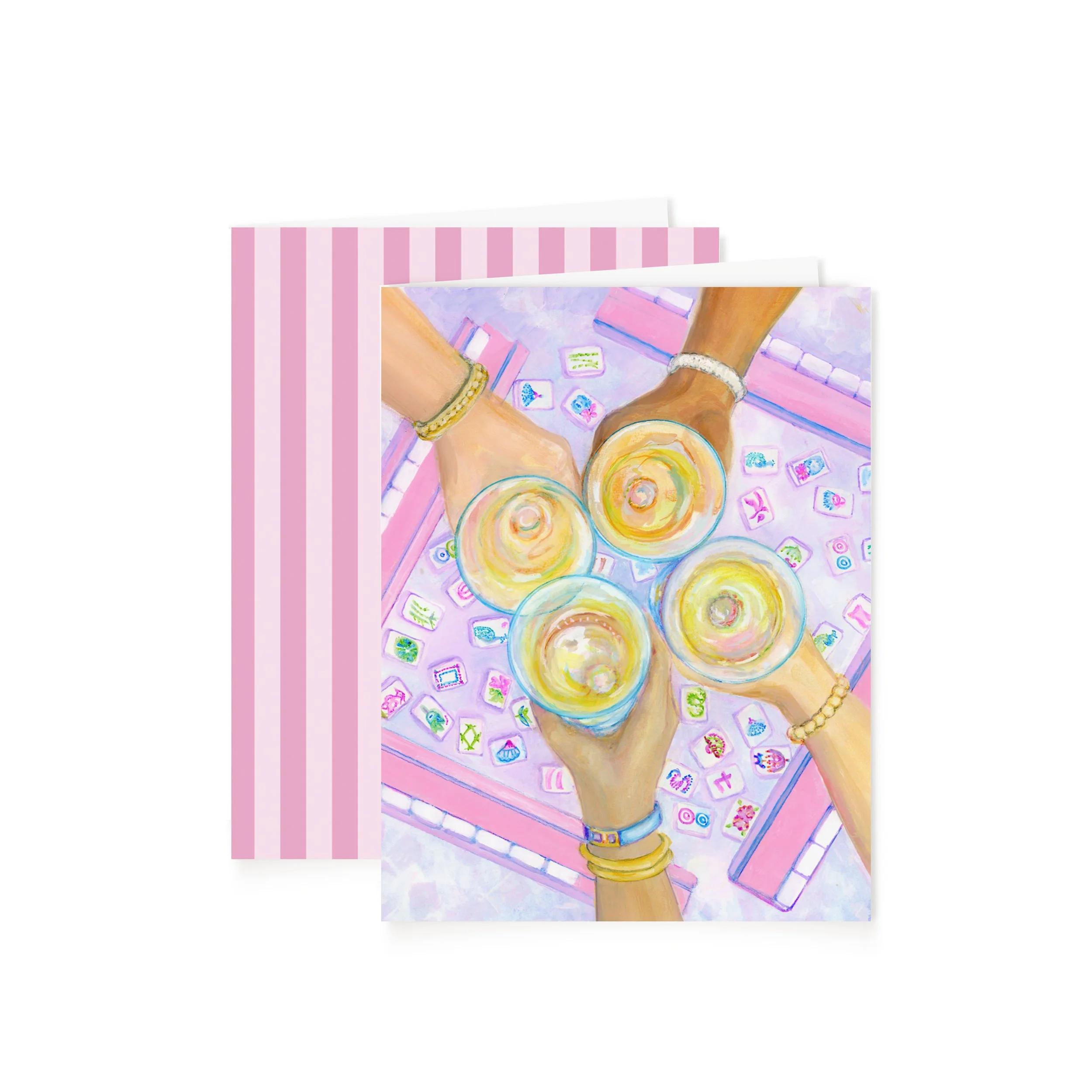
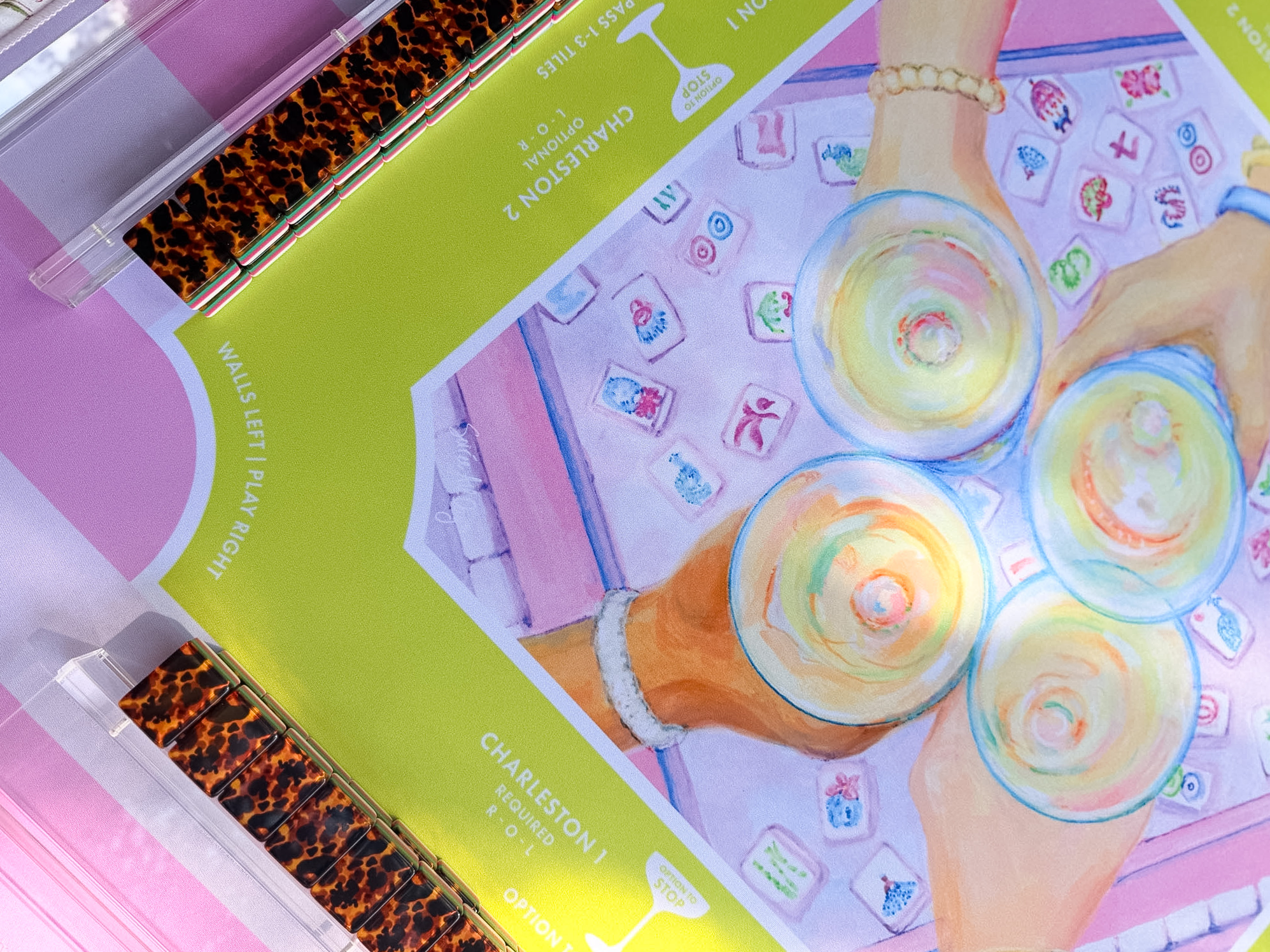
That is exactly what inspired our Bird Bam Cheers print and mahjong mat that carries its name.
Both reflect not just the tile itself, but what the tile represents: tradition, personality, connection, and that unmistakable moment when the whole table lifts a glass.
For someone who plays mahjong, it is immediately familiar. It feels like an inside reference and a celebration at the same time. And because the Bird Bam has so much history and recognition behind it, the piece carries a little more meaning than a simple motif. It nods to the game, to the culture around it, and to the tables where these traditions are kept alive.
It makes a thoughtful gift for a mahjong teacher, a regular hostess, a new player learning the rituals of the table, or the friend who never misses a Bird Bam Cheers. The art print and greeting card are perfect for gifting, and the mat brings the same spirit right to the table where it happens. It is also available as a greeting card — a fun thank-you, hostess gift, or note for the mahjong lover who will understand it immediately.
Become a Soirée All Day Paper Partner (Affiliate!)
Your audience will receive 10% off everything in our Mahjong Collection using your custom link and code
You'll also get a special 15% off code to shop Mahjong products for yourself (just for fun — commissions don’t apply here).